Select tickets

Shonishin (children's needle therapy) is a unique and specialised paediatric style of acupuncture that developed over 250 years ago in Japan. It recognizes the fact that children do not like needles and has instead developed specialized treatment techniques, many of which are non-invasive and thus not frightening to the child.
When acupuncture was first described in China in the Nei Jing, nine kinds of needles were described, two of which had rounded ends, that are rubbed or pressed on the skin instead of inserted into the body. In Shonishin, following these ideas, a variety of instruments have been developed that can be pressed, rubbed, tapped or lightly scratched on the skin to give different kinds of gentle stimulation. When applied for short periods of time in simple systematic patterns, these easy to apply treatment techniques have been found effective for a wide variety of paediatric problems. They are routinely used on young children - from birth through age six or so - and are commonly used on older children, through age 17.
This workshop will describe key details for handling and treating children, especially focusing on the importance of dose regulation. The treatment using the specialized Shonishin tools is a kind of ‘root treatment’, but not one based on any pattern identification (a ‘non-pattern based root treatment’). A fixed but dose adjusted treatment is used that can be useful for fortifying the child's vital energy and helping correct their constitution. When correctly applied, this treatment will not only help symptoms to naturally improve, but will give a greater sense of well-being and help resolve many other small day to day problems, helping make the child less prone to illness.
The basic treatment has the added advantage of being easily taught to parents so that they can use it regularly at home, thus increasing frequency of treatment and allowing parents to participate actively in the treatment of their children. This tends to reinforce the effects of treatment, and helps make the treatment more enjoyable for everyone. This style of paediatric acupuncture can be used by any acupuncturist regardless of general style of practice.
Date
Friday 5 February
Time
9am-5pm
Cost
£135 (includes equipment for you to take home)
Location
ICOM, Van Buren House, Green Hedges Avenue, East Grinstead, West Sussex RH19 1DZ
The college is located 10 minutes walk from East Grinstead train station, with direct trains from London Victoria. We have a free car park.
Eligibility
Open to qualified Acupuncturists and students in their final year of a BAAB Accredited Acupuncture training course.
Additional information
Refreshments (tea, coffee, fruit, snacks) will be provided for the breaks but lunch will not be provided. Aldi and Lidl are nearby and there are cafes in the town centre which is about 10-15 minutes walk.
Course Schedule
9.00–9.10: Introduction
9.10–10.30: Overview of Shonishin, history, theory and practice. Theoretical basis of shonishin & overview of the modern utilization of shonishin
10.30–10.45: Tea/coffee break
10.45–11.15: Treatment demonstrations
11.15–12.15: Overview paediatric treatments: physiology and sensitivities etc. Diagnostic methods and assessments for younger children
12.15–13.30: Lunch break
13.30–15.00: Overview of the treatment tools + Practice using basic tools
15.00–15.15: Tea/coffee break
15.15–16.30: Contraindications and precautions in the treatment of children, developing strategies for treating children, the whole body root treatment - tools and methods, instructing parents in home therapy
16.30–17.00: Cases & Q & A
About Stephen Birch
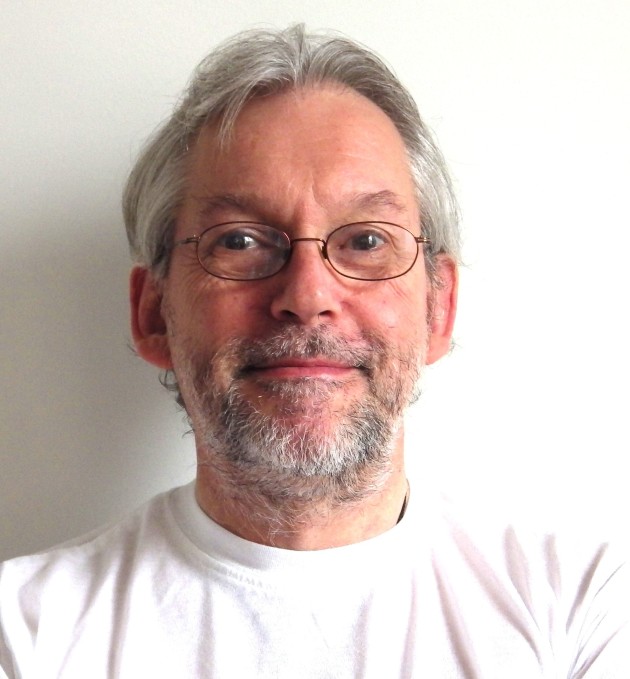
Stephen Birch is an international expert on Japanese acupuncture and author of the book ‘Shonishin’ published in 2011 by Thieme Medical Publishers (second edition 2016). He has written a number of other books on acupuncture and East Asian medicine including ‘Japanese Acupuncture’, ‘Chasing the Dragon’s Tail’, ‘Hara Diagnosis’, ‘Understanding Acupuncture’, ‘Restoring Order in Health and Chinese Medicine’. He initially studied pre-TCM and TCM acupuncture in Boston and has specialized in Japanese acupuncture since his graduation in 1982. He teaches around Europe and occasionally in Israel, Australia, and New Zealand. He has taught the Shonishin system to many acupuncturists in many countries. He is also a researcher and has published dozens of scientific papers, recently participating in a trial of acupuncture for paediatric constipation. He practices at the Japanese Acupuncture Center in Amsterdam, the Netherlands.
Cancellation policy for CPD course bookings
- Refunds for cancellations two or more months before the course commencement will incur a 15% administration fee.
- Refunds for cancellations between two months and two weeks before the course commencement will incur a 25% administration fee.
- Refunds for cancellations two weeks before the course commencement will incur a 50% administration fee.
- No refund will be given for no shows or cancellations upon the course commencement.
- Any amount overpaid by the student will automatically be refunded to the student’s account.
- If for any reason a course is cancelled by ICOM, all money received will be refunded in full. ICOM reserves the right to cancel a course at any time. However, we will only cancel a course if absolutely necessary.